

This page offers an overview of how I support healing and introduces a few concepts clients often find useful. Understanding what’s happening inside you—and why—can open the door to meaningful change.
My work draws from somatic therapy, Gestalt principles, mindfulness-based practices, and transpersonal psychology to support embodied, present-moment healing.
You can explore each of these approaches below.
Therapeutic Approaches
How I Work

-
Transpersonal therapy starts with a simple yet profound idea: you are more than the habits, roles, and survival patterns you’ve learned over time. While not religious, it affirms the spiritual Self as a natural and essential dimension of human experience.
Moments of insight, clarity, or expanded awareness are honored as non-ordinary states that reveal truths beneath old conditioning. A transpersonal therapist helps you explore these states with curiosity and care, because they illuminate aspects of being that ordinary mind often obscures.
A key aspect of transpersonal work involves integrating these shifts of consciousness across mind, body, and spirit so they become part of everyday life and a more dynamic identity. In this way, transpersonal therapy supports deep, holistic change across mind, body, and spirit.

-
Gestalt therapy fits naturally with the transpersonal perspective, weaving together the somatic, mindful, and relational threads of my work. It centers on present-moment awareness, personal sovereignty, and the innate wisdom of your being. Together, we explore what’s happening in the “here and now,” trusting that when you feel safe and understood, your system knows how to move toward healing.
In practice, my Gestalt work is deeply client-centered: I follow your lead and stay close to your unfolding experience. This creates a co-created space where emotional, psychological, and energetic imprints from the past can surface and complete. As old survival patterns—your “unfinished business”—resolve and your system settles, the protective identities you once relied on begin to soften. In their place, a more dynamic way of being can emerge—one rooted in clarity, presence, and your authentic Self.

-
Mindfulness can sometimes carry some misconceptions — it isn’t a religion, and it’s not about trying to relax or escape discomfort. Instead, mindfulness is best understood as an act of self-compassion: a moment of simply being with yourself, meeting your inner experience with steadiness and curiosity.
At its core, mindfulness is the practice of choosing to pay attention on purpose. This intentional awareness creates the space where clarity, choice, and calm can emerge, giving old patterns room to loosen and allowing the body to settle. Modern psychology also recognizes mindfulness as a core healing factor in psychotherapy.

-
Somatic therapy begins with the understanding that the nervous system holds the imprint of past experiences in deeply physical ways. By tracking sensations in real time, clients learn to recognize how protection, activation, and release show up in the body. This bottom-up approach allows the body to settle first, often creating meaningful shifts up the chain of experience—steadier emotions, clearer thinking, and more room to respond rather than react. As body-based coping strategies release, clients develop a more grounded and embodied sense of themselves—healing that’s lived, not just understood.

-
Parts work invites us to recognize that we all carry different inner states, each shaped to help us navigate life and stay safe. In therapy, we explore how some of these protective parts can become dominant and influence our lives in ways that don’t reflect who we are now. Parts work offers a way to recognize, understand, and gently engage these states. By meeting them with curiosity rather than judgment, they can relax and integrate within a healthier inner landscape. As this unfolds, your natural authenticity comes forward, opening the way for clearer insight and a more unified sense of Self.
Building on the work above, these approaches guide the exploration of non-ordinary states and the insights they offer while feeling safe and supported.

-
Psychedelic integration is the process of making sense of and incorporating the insights, emotions, and personal growth catalyzed by a psychedelic experience into everyday life, fostering lasting, positive change.

-
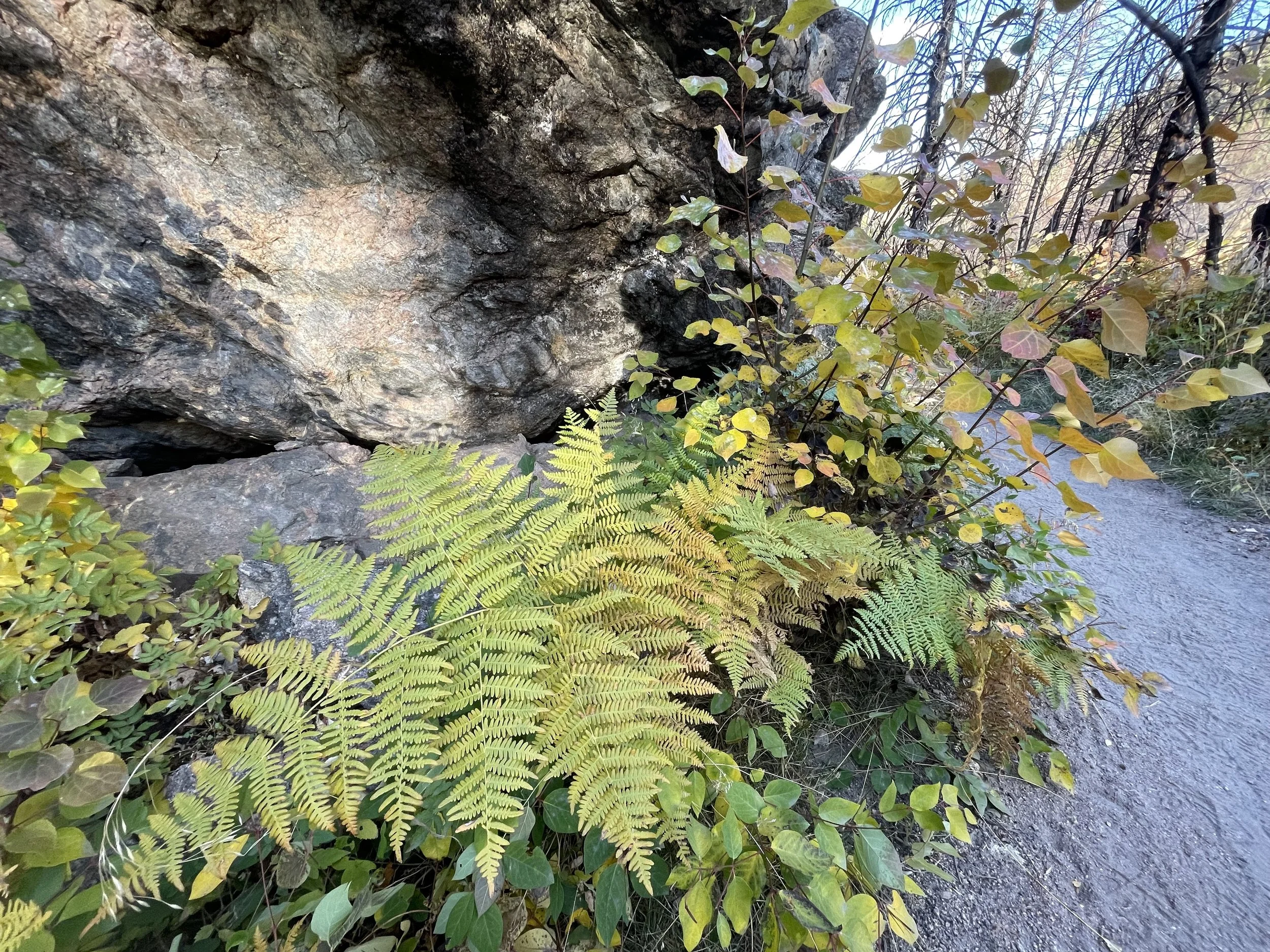
Nature therapy, or ecotherapy, brings the therapeutic process into natural environments where healing often feels more accessible. With my guidance, we use the outdoors to help regulate your nervous system, engage the senses, and explore what arises with support and attunement. Working in nature can open new pathways of insight, presence, and connection that may feel different from traditional office-based work.

The tension, shutdown, or overwhelm
you feel in your body
isn’t a mistake.
It’s simply your body doing
what it was designed to do:
protect you
when things felt unsafe.
Where awareness grows,
healing follows.